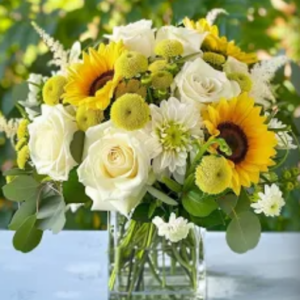
The Art of Flower Arrangement
Flower arrangement is more than simply placing flowers in a vase—it is a form of art that combines creativity, balance, and emotion. Across cultures and centuries, floral design has been used to express love, celebration, sympathy, and beauty. Today, the art of flower arrangement continues to evolve, blending traditional techniques with modern aesthetics.
A Brief History of Flower Arrangement
The practice of arranging flowers dates back thousands of years. In ancient Egypt, flowers were used in religious ceremonies and decorations. Japan developed Ikebana, a disciplined art form that emphasizes harmony, minimalism, and the relationship between nature and humanity. In Europe, elaborate floral arrangements became symbols of wealth and refinement during the Renaissance.
Each tradition reflects a unique philosophy, yet all share a common goal: to highlight the natural beauty of flowers.
Key Elements of Flower Arrangement
A successful flower arrangement is guided by a few essential principles:
1. Balance and Proportion
Balance ensures that the arrangement feels stable and pleasing to the eye. This can be symmetrical or asymmetrical, depending on the desired style. Proportion refers to the relationship between the flowers, foliage, and container—nothing should feel overpowering or too small.
2. Color Harmony
Colors play a powerful role in evoking emotion. Soft pastels create a calm and romantic feel, while bold, contrasting colors add energy and drama. Understanding color combinations helps create arrangements that are visually striking yet harmonious.
3. Texture and Variety
Mixing different flower shapes, sizes, and textures adds depth and interest. Smooth petals paired with spiky blooms or delicate fillers create a more dynamic and engaging arrangement.
4. Focal Point
Every arrangement should have a focal point—usually the largest or most vibrant flower—that draws attention first. Other flowers support and enhance this central feature without competing with it.
Styles of Flower Arrangement
Flower arrangements come in many styles, each suited to different occasions and preferences:
-
Traditional arrangements focus on fullness and symmetry.
-
Modern arrangements emphasize clean lines, simplicity, and negative space.
-
Rustic or garden-style arrangements appear natural and loosely arranged, mimicking flowers growing in nature.
-
Minimalist arrangements use fewer flowers to highlight form and elegance.
The Emotional Power of Flowers
Flowers have a unique ability to communicate feelings without words. A bridal bouquet symbolizes love and new beginnings, while condolence flowers express comfort and remembrance. Corporate floral arrangements convey professionalism and warmth, enhancing spaces and experiences.
Flower Arrangement as a Creative Expression
Whether created by a professional florist or a hobbyist at home, flower arrangement allows for personal expression. Each design reflects the arranger’s mood, inspiration, and story. With practice and imagination, anyone can turn flowers into a meaningful work of art.
Conclusion
The art of flower arrangement lies in its ability to combine nature and creativity into something timeless and expressive. By understanding its principles and embracing its emotional depth, flower arrangement becomes more than decoration—it becomes a language of beauty, care, and connection. Read more about different styles of flower arrangements here.