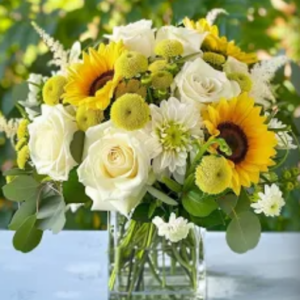
The Symbolism of Different Flowers
Flowers have carried symbolic meanings for centuries, allowing people to express emotions and messages without words. Across cultures and traditions, different flowers represent love, friendship, remembrance, and hope. Understanding flower symbolism helps in choosing blooms that convey the right sentiment for every occasion.
Roses – Love and Passion
Roses are among the most symbolic flowers in the world. Red roses represent deep love and romance, pink roses symbolize admiration and gratitude, white roses signify purity and new beginnings, and yellow roses express friendship and joy. Because of their versatility, roses are suitable for both romantic and celebratory occasions.
Lilies – Purity and Renewal
Lilies are often associated with purity, peace, and renewal. White lilies are commonly used in weddings and sympathy arrangements, symbolizing innocence and remembrance. Their elegant form and gentle fragrance make them a timeless choice for meaningful events.
Sunflowers – Happiness and Positivity
Sunflowers symbolize happiness, optimism, and loyalty. Their bright yellow petals and sun-like appearance represent warmth and positive energy. Sunflowers are often given to uplift spirits and celebrate joyful moments such as birthdays and achievements.
Orchids – Luxury and Strength
Orchids represent beauty, elegance, strength, and refinement. They are commonly associated with luxury and admiration, making them a popular choice for corporate gifting and special occasions. Orchids also symbolize long-lasting love and resilience.
Tulips – Perfect Love and Grace
Tulips are symbols of perfect love, elegance, and comfort. Red tulips convey true love, while yellow tulips represent cheerfulness and hope. Their simple yet graceful appearance makes them suitable for both romantic and friendly gestures.
Chrysanthemums – Respect and Longevity
Chrysanthemums hold different meanings across cultures but are generally associated with respect, longevity, and honor. In many Asian cultures, they symbolize life and rejuvenation, while in some Western traditions they are used for remembrance and sympathy.
Carnations – Admiration and Gratitude
Carnations symbolize fascination, admiration, and heartfelt gratitude. Pink carnations are often associated with appreciation, white carnations represent pure love and good luck, and red carnations convey deep affection. They are widely used due to their long-lasting nature.
Peonies – Prosperity and Romance
Peonies symbolize prosperity, good fortune, and romance. Their lush, full blooms represent abundance and are especially popular for weddings and celebrations. Peonies are often associated with happiness and a successful future.
Daisies – Innocence and New Beginnings
Daisies symbolize innocence, purity, and new beginnings. Their simple and cheerful appearance makes them ideal for expressing friendship, joy, and youthful energy.
Conclusion
The symbolism of flowers adds depth and meaning to every arrangement. By understanding what different flowers represent, floral gifts become more personal and emotionally powerful. Whether expressing love, respect, joy, or comfort, flowers continue to be a timeless language of the heart.